CO₂ Laser–Assisted Frenectomy in Children: What a 2023 Long-Term Study Reveals
- Raymond G. Lee

- Dec 13, 2025
- 2 min read
Hello everyone, this is Raymond Lee from Raymond’s Dental Solutions.Today, I’d like to introduce an important 2023 study published in Lasers in Medical Science titled:
“CO₂ Laser-Assisted Frenectomy in Pediatric Dentistry: Long-Term Outcomes.”
This paper evaluates how a 10.6 μm CO₂ laser performs in pediatric lingual frenectomy (tongue-tie release) and examines its long-term safety, effectiveness, and healing outcomes, compared with conventional scalpel or electrosurgical approaches reported in earlier literature.
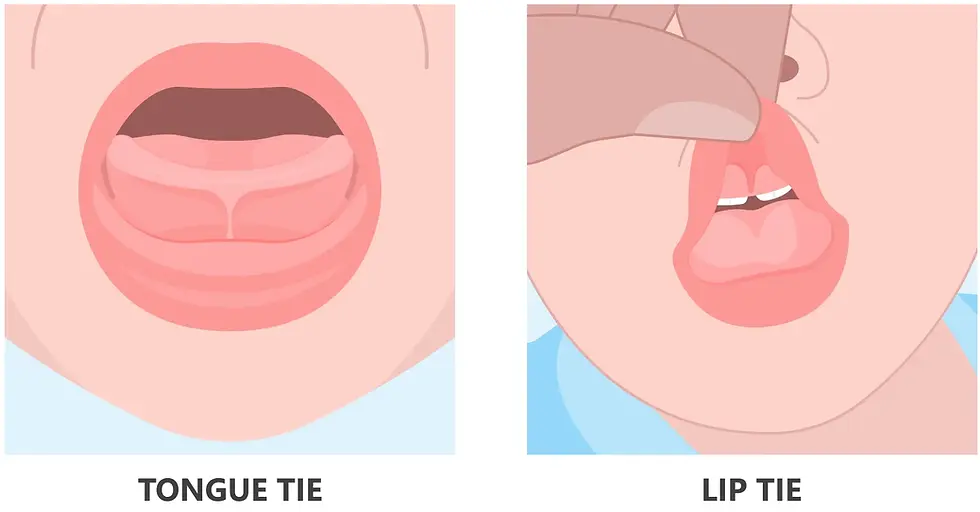
🎯 Study Objective
The purpose of this research was to assess whether CO₂ laser–assisted lingual frenectomy provides stable, long-term functional and esthetic outcomes in children aged 2 to 12 years, while minimizing pain, bleeding, scarring, and recurrence.
👥 Study Design & Methods
This was a prospective cohort study involving 80 pediatric patients diagnosed with Class III to Class IV tongue-tie.
Laser Parameters Used
CO₂ laser wavelength: 10.6 μm
Mode: Super-pulsed
Power: 3.5 W
Pulse duration: 200 microseconds
Frequency: 20 Hz
Tip: Non-contact, diamond-shaped tip
All procedures were performed under topical and infiltration anesthesia.A tension-free incision was made from the frenum base toward the tongue tip.
🔹 No sutures were required, as the diamond-shaped wound geometry promoted rapid and natural healing.
Patients were followed for up to 24 months, with evaluations at:1 week, and 1, 3, 6, 12, and 24 months.
Outcome Measures Included
Functional success (tongue mobility, no reattachment)
Speech improvement (articulation testing)
Feeding performance (parental survey)
Scarring (Vancouver Scar Scale)
Pain (Wong-Baker FACES scale)
📊 Key Results
The long-term results were highly favorable:
~95% overall success rate at 2-year follow-up
Complete epithelialization within 10 days
Minimal edema and negligible postoperative pain
No sutures, no antibiotics required
Virtually invisible scarring
No significant recurrence or complications throughout the 24-month period
Compared to traditional techniques reported in prior studies, the CO₂ laser group experienced:
Significantly less bleeding
Lower pain scores
Faster recovery
Superior esthetic outcomes
🏁 Conclusion
The authors conclude that CO₂ laser-assisted lingual frenectomy in pediatric patients is:
✔ Safe✔ Precise✔ Minimally invasive✔ Highly effective over the long term
Key advantages include:
Excellent hemostasis and surgical visibility
Minimal postoperative discomfort
Rapid healing
Stable functional and esthetic outcomes
💡 Clinical Significance
For pediatric dentists, periodontists, and clinicians treating tongue-tie, this study provides strong evidence that the 10.6 μm CO₂ laser is a superior alternative to scalpel or electrocautery procedures.
Its ability to deliver bloodless surgery, faster recovery, and high patient satisfaction aligns perfectly with modern, patient-centered dentistry — and supports the growing demand for a true WOW-experience in pediatric care.


.png)

Comments